01
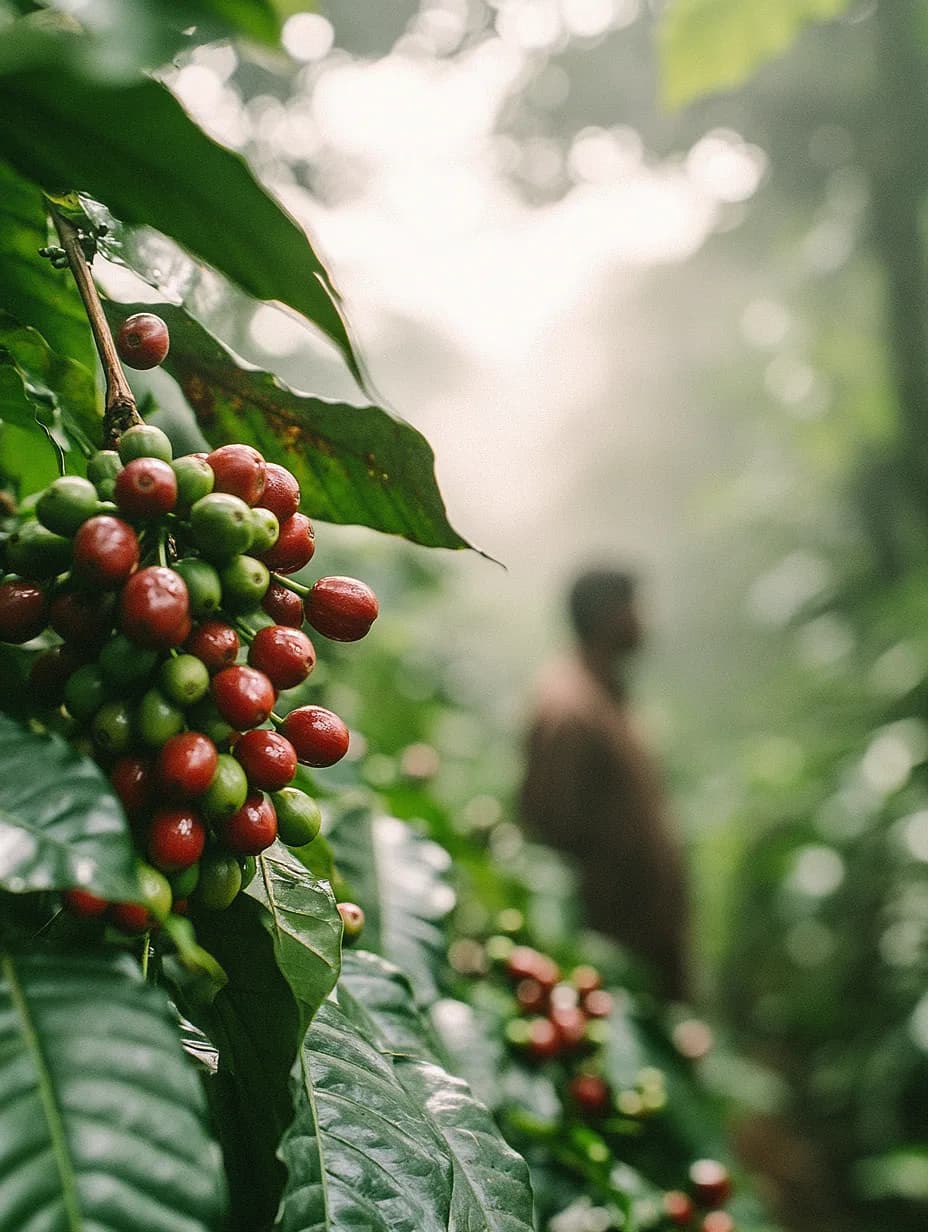
Under the canopy
Coffee grows under shade of varying depth, on broken ground, without alignment. Ripening is slower and less uniform than on an exposed plot — which is why the estate is picked several times over rather than once.
A good terroir produces a good cherry. Everything between the cherry and the bag is what turns it into a lot with a number on it.
01
Coffee grows under shade of varying depth, on broken ground, without alignment. Ripening is slower and less uniform than on an exposed plot — which is why the estate is picked several times over rather than once.
02
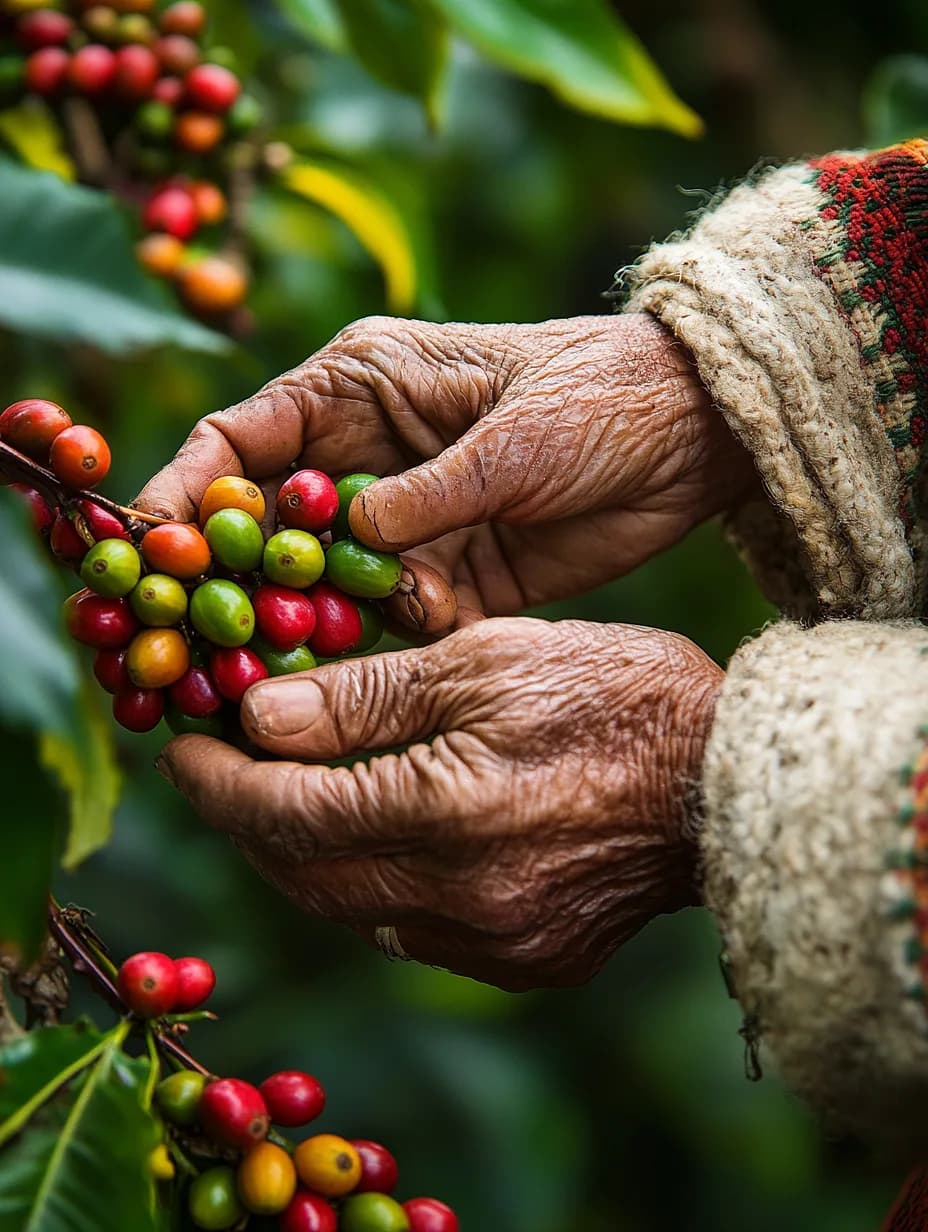
Cherry is taken by hand, by ripeness, in successive passes. Pickers are lojanos, from the province, and most return harvest after harvest. Each pass is kept separate by parcel from the moment it leaves the tree.
03
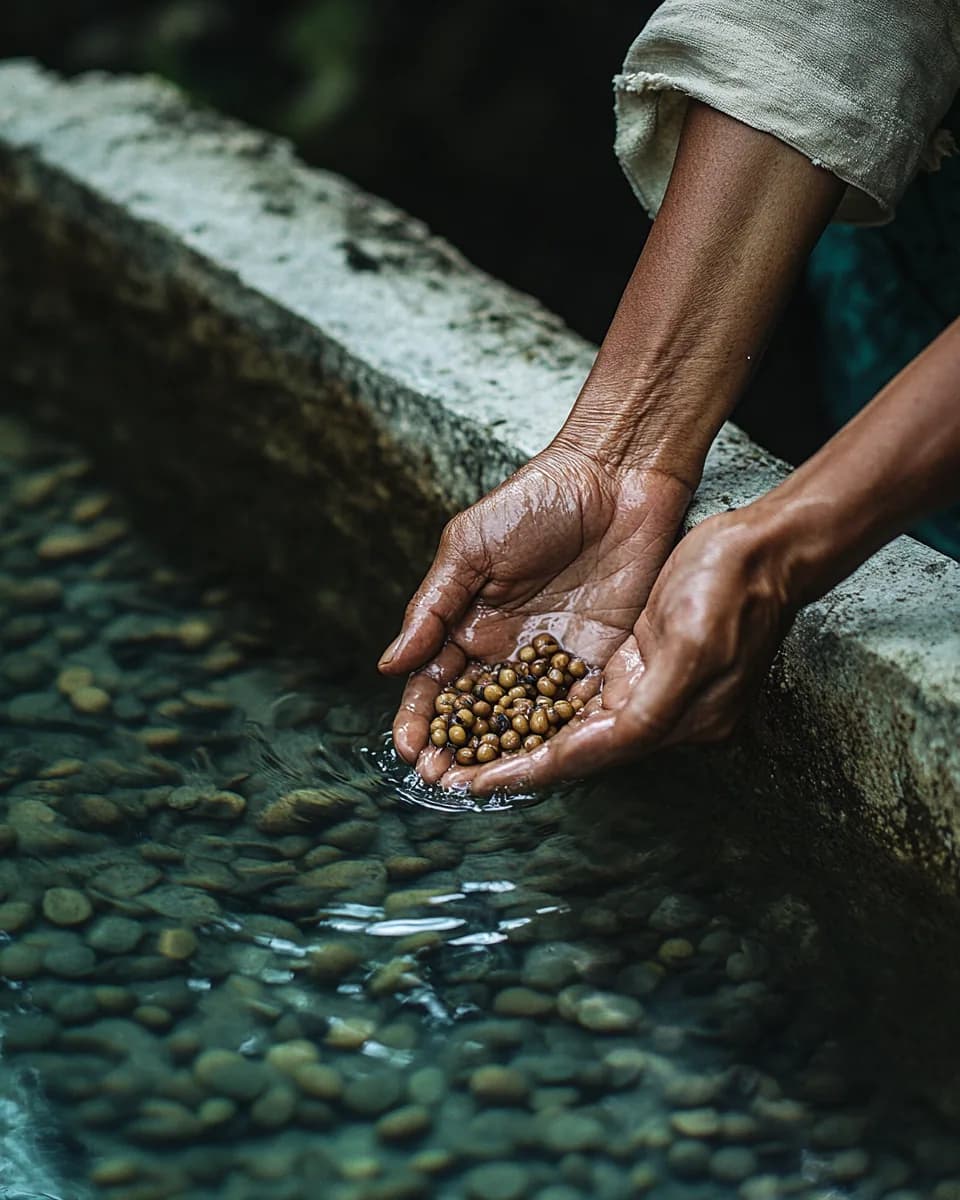
Washed as the estate standard, with honey, natural and anaerobic trials run on small parcels. Fermentation is controlled and logged: it is the single operation where two points of cup score are most easily won or lost.
04
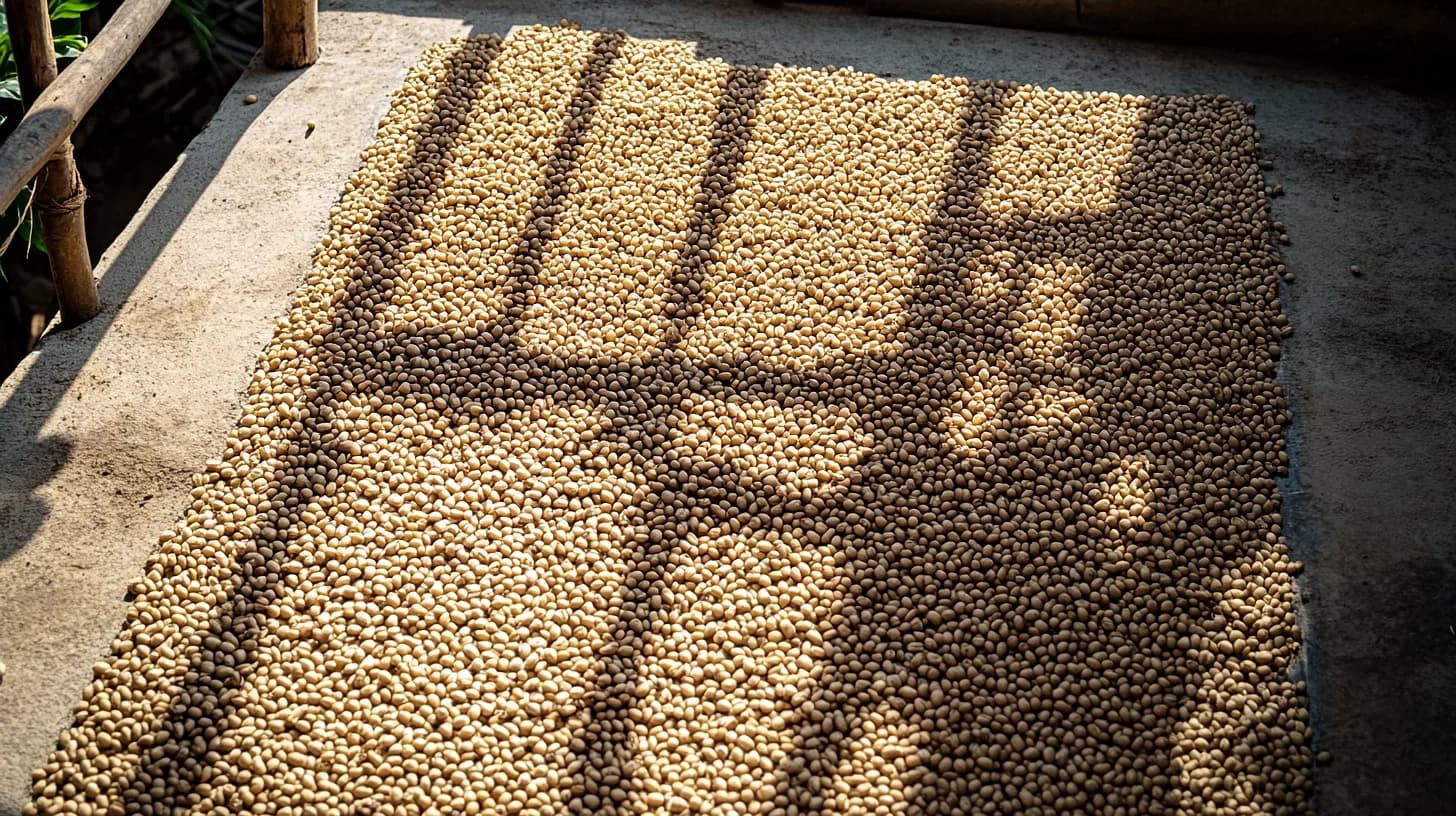
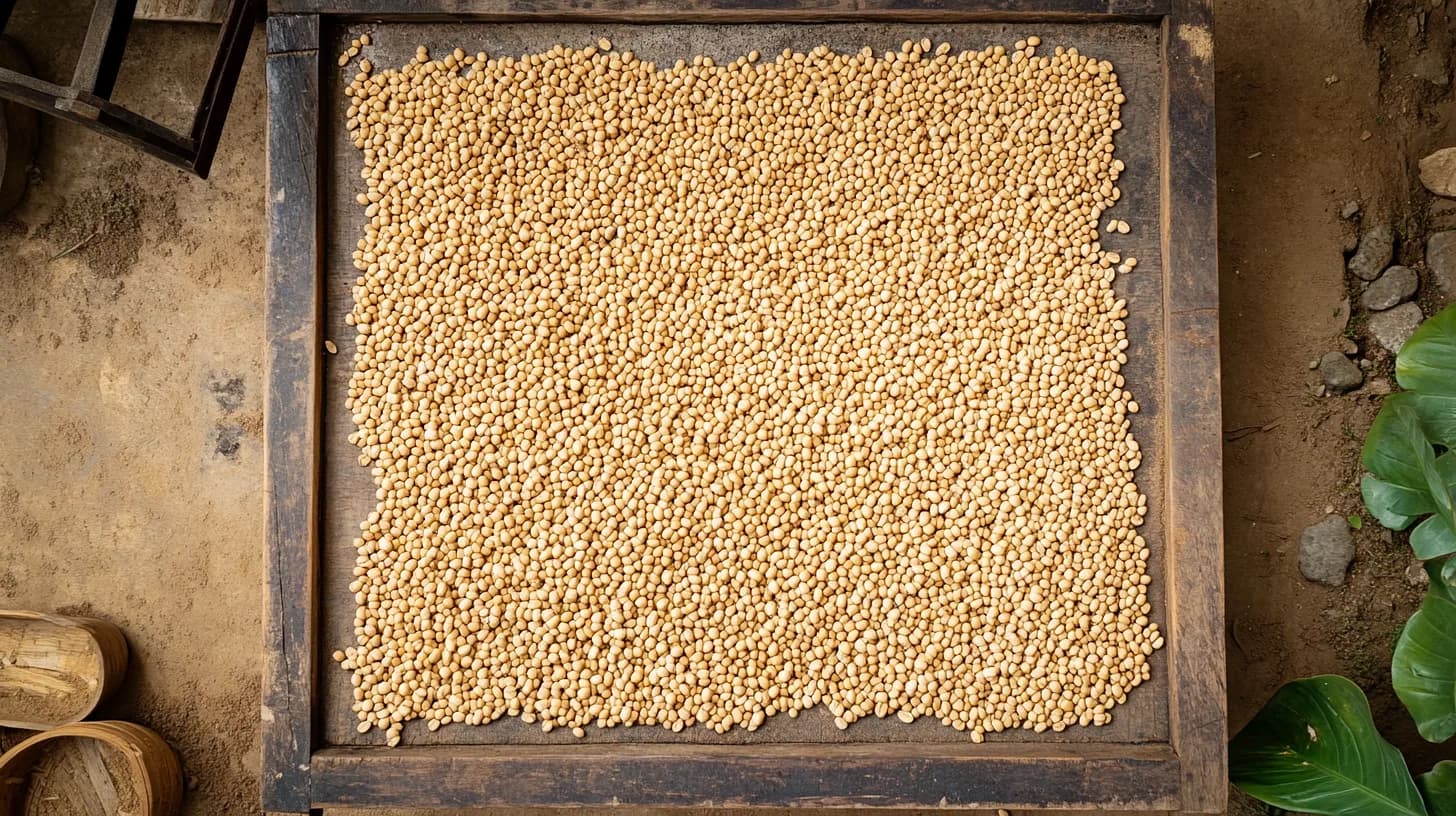
Drying is deliberately slow, on patios and raised beds, turned by hand. Fast drying gets the moisture down and takes the sweetness with it.
05
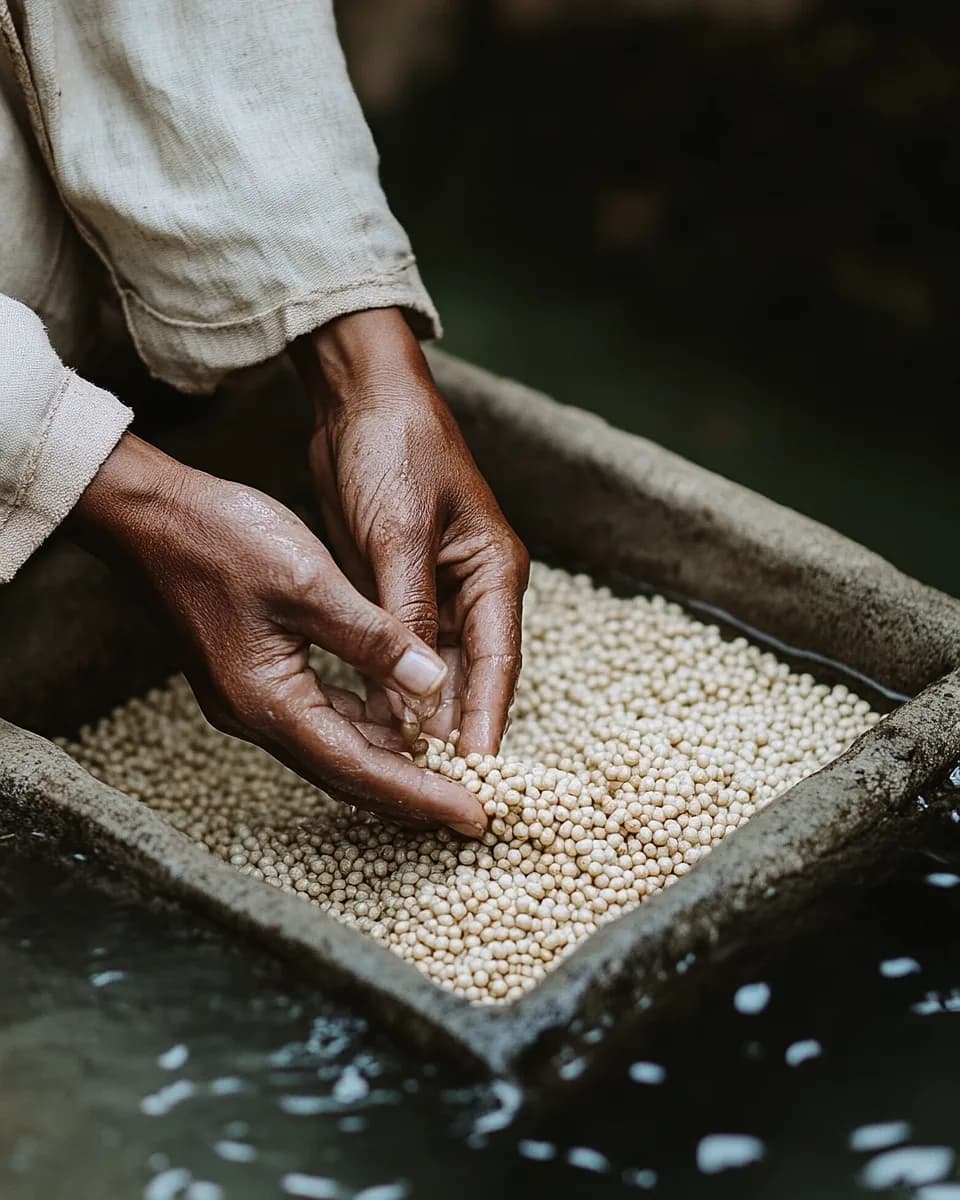
Hand sorting on the parchment, then again on the green. Every lot is traceable to the parcel it came from — which is what the estate's separation into three hills rests on, and what European buyers now require.
Post-harvest equipment is the first line of capital expenditure at Banderones, ahead of planting. Wet milling, raised beds, controlled drying, a Q grader on the cupping table.
It is also the part of coffee farming that most producers cannot finance — and the reason a good terroir does not automatically become a good cup.
We work directly with importers, roasting companies and green buyers. Tell us what you are looking for and we will send samples ahead of the release.