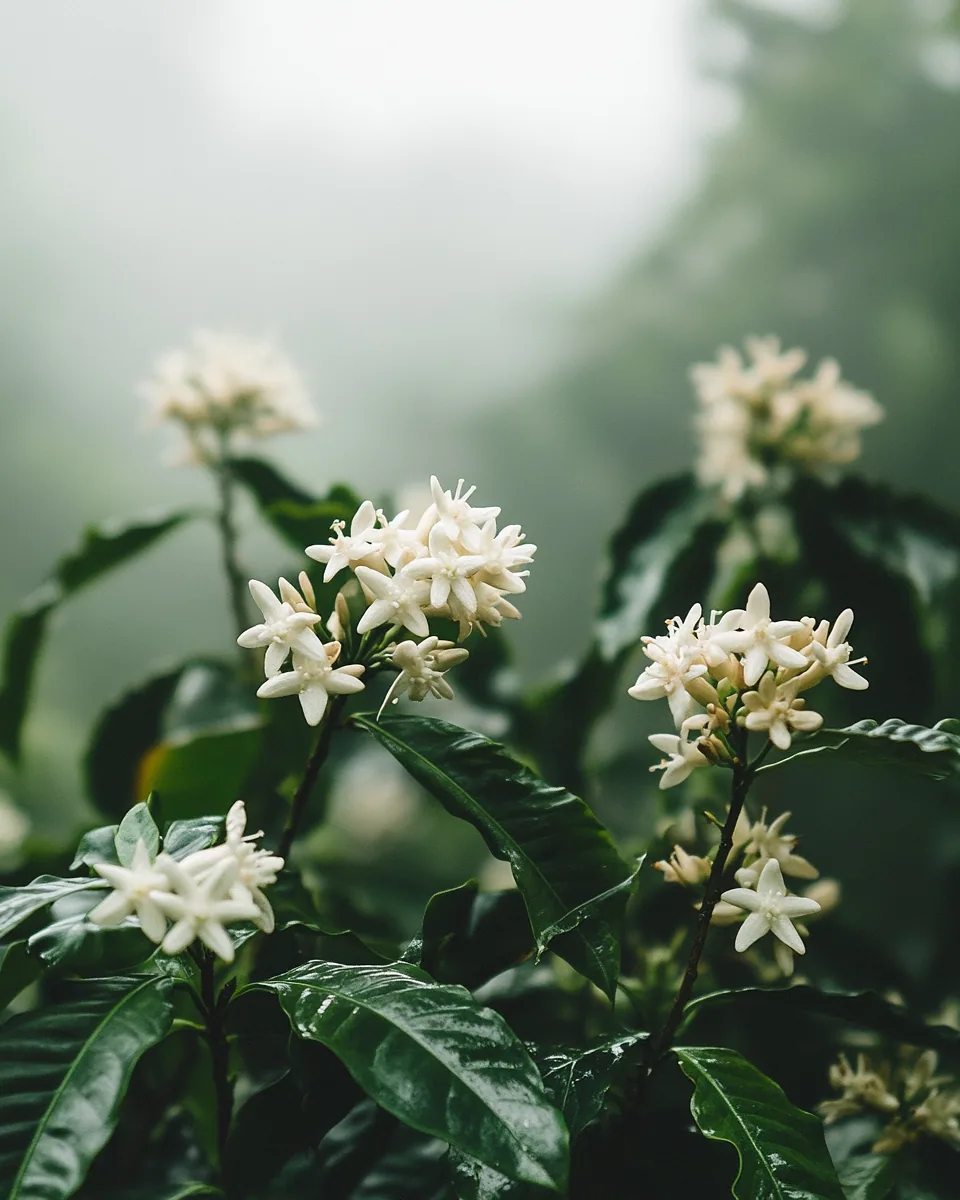
Arabica in flower on the Banderones estate
The varieties

Eight varieties, chosen for this ground.

Eight arabica varieties, chosen for the ground we actually farm rather than for the ones that read well on a brochure.

Why the elevation matters

Our coffee parcels sit at around 1,100 metres. Several of the varieties most celebrated in specialty coffee — Geisha, Sidra, the Ethiopian landraces — give their best a good deal higher than that, and we are not going to pretend otherwise.

So the estate is built on the two varieties whose optimal band actually overlaps ours: Castilla, which produced our 87.5, and Sarchimor. Both are rust-resistant and productive, which on shaded, broken ground matters more than a famous name. The rest are grown in smaller quantities, some as genuine trial plots, to find out what this particular combination of soil, shade and elevation does to them.

That is the slower answer, and it is the one that holds up when a buyer puts the coffee on a table.

Grown at Banderones

Castilla

Principal
Genetic group
Introgressed (Caturra × Timor Hybrid)
Leaf rust
Resistant
Yield
High
Optimal elevation
1,200 – 1,800 m

The variety that carries the estate. It produced the 87.5 that opened the door, and it is the base on which the Banderones signature is built. Its optimal band starts at 1,200 m — close to the ground we actually farm — which is the whole reason it leads here.

In the cup

Round body, moderate acidity, cocoa, red fruit
Sarchimor

Complementary
Genetic group
Villa Sarchi × Timor Hybrid
Leaf rust
Resistant
Yield
High
Optimal elevation
1,000 – 1,600 m

The second variety genuinely at home at our elevation: its band runs from 1,000 m. Rust-resistant and productive, it gives the estate agronomic ballast without asking for altitude we do not have.

In the cup

Body, chocolate, moderate acidity

F1 hybrid

Scaling up
Genetic group
F1 hybrid (landrace × improved line)
Leaf rust
Resistant
Yield
High
Optimal elevation
1,200 – 1,900 m

From the Nestlé research centre's breeding programme. Planted on a trial parcel and now being scaled up. The new generation of F1 hybrids is the one genuine attempt to combine vigour, yield and a top-end cup in the same plant.

In the cup

Complexity, floral, exceptional vigour

Bourbon

Complementary
Genetic group
Bourbon-Typica
Leaf rust
Susceptible
Yield
Medium
Optimal elevation
1,200 – 2,000 m

One of the two founding arabica strains, and the ancestor of much of what is grown today. It brings sweetness and balance to the estate's aromatic range.

In the cup

Sweet, caramel, ripe fruit, balance

Geisha

Trial plot
Genetic group
Ethiopian landrace
Leaf rust
Susceptible
Yield
Low
Optimal elevation
1,600 – 2,100 m

The most highly valued variety in specialty coffee, and the most demanding. It wants 1,600 m and above, low yield and constant attention. We grow it on a dedicated trial plot to find out what it does on this particular ground, not because we assume it will behave the way it does in Boquete.

In the cup

Jasmine, bergamot, citrus, black tea, intensely floral

Maragogype

Complementary
Genetic group
Mutation of Typica
Leaf rust
Susceptible
Yield
Low
Optimal elevation
1,400 – 1,900 m

A natural mutation of Typica, famous for its elephant bean — the largest in commercial arabica. Low-yielding, distinctive, and a lot that identifies itself on sight.

In the cup

Giant bean, sweetness, delicate body, floral

Ethiopian landraces

Trial plot
Genetic group
Ethiopian landraces
Leaf rust
Variable
Yield
Medium
Optimal elevation
1,800 – 2,200 m

Populations from the genetic cradle of coffee. Grown here for the aromatic range they open up rather than for volume — they sit well above our elevation and are treated accordingly, as an experiment we report honestly on.

In the cup

Floral, stone fruit, citrus, aromatic complexity

Sidra

Grown, not scaled
Genetic group
Bourbon-Typica (Ecuadorian selection)
Leaf rust
Susceptible
Yield
Medium
Optimal elevation
1,500 – 2,000 m

Ecuador's signature variety, and the one every estate in the country is now planting. We grow it. We have deliberately chosen not to build the estate on it — see below.

In the cup

Floral, white fruit, clean, high sweetness

Agronomic characteristics — genetic group, rust behaviour, yield and optimal elevation — describe the variety wherever it is grown. What each one does on this estate is what the harvests are establishing, season by season.

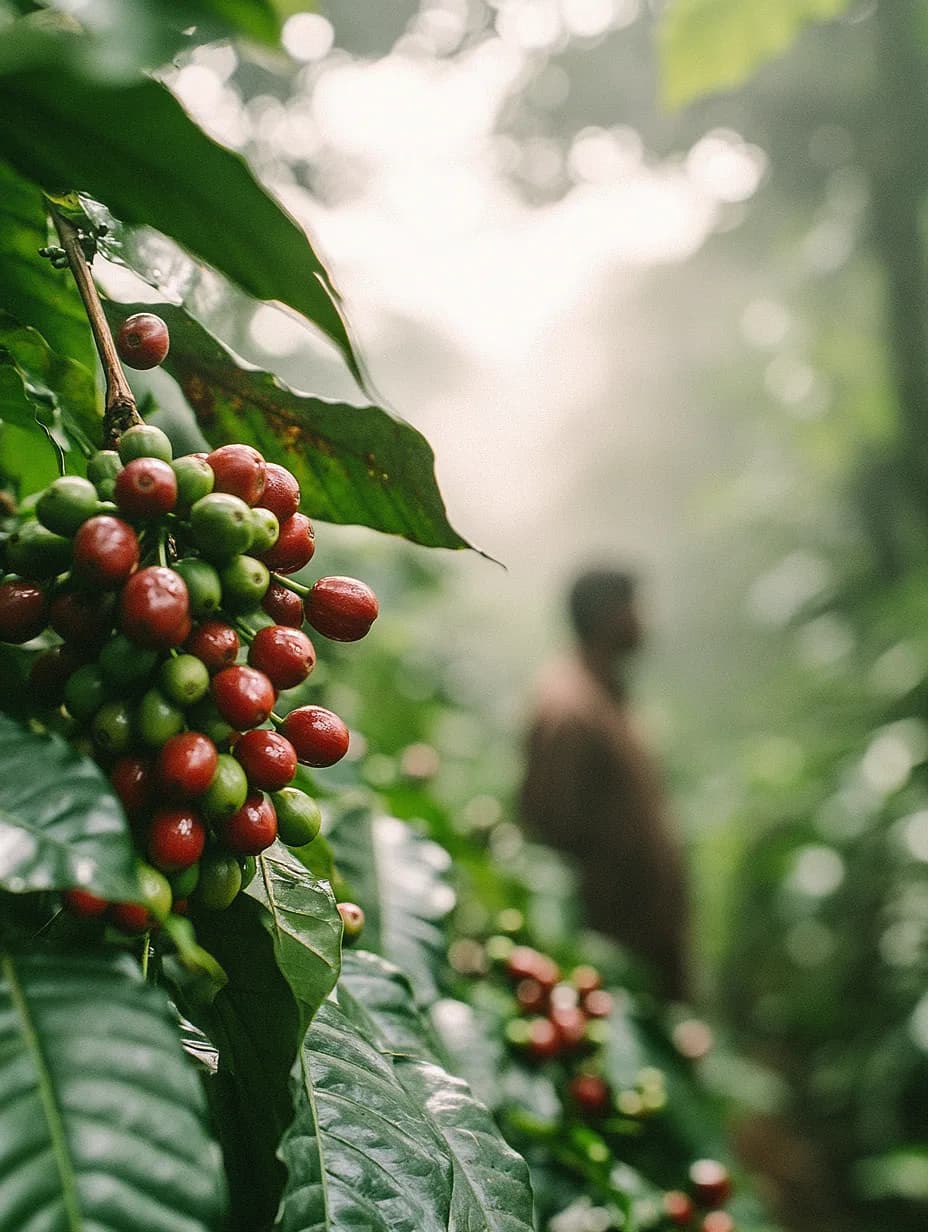
Cherries ripening under the canopy at Banderones
Against the grain

The Sidra decision

Sidra made Ecuador's reputation. It is now being planted across the country, which means the market for it is filling up. A variety everybody offers is a variety whose price falls.

Banderones grows Sidra and has chosen not to amplify it. Building the estate's signature on a different base means arriving in front of a buyer with a profile nobody else is selling — which is the only durable advantage a small origin has.

Enquiries

Put our coffee on your cupping table.

We work directly with importers, roasting companies and green buyers. Tell us what you are looking for and we will send samples ahead of the release.