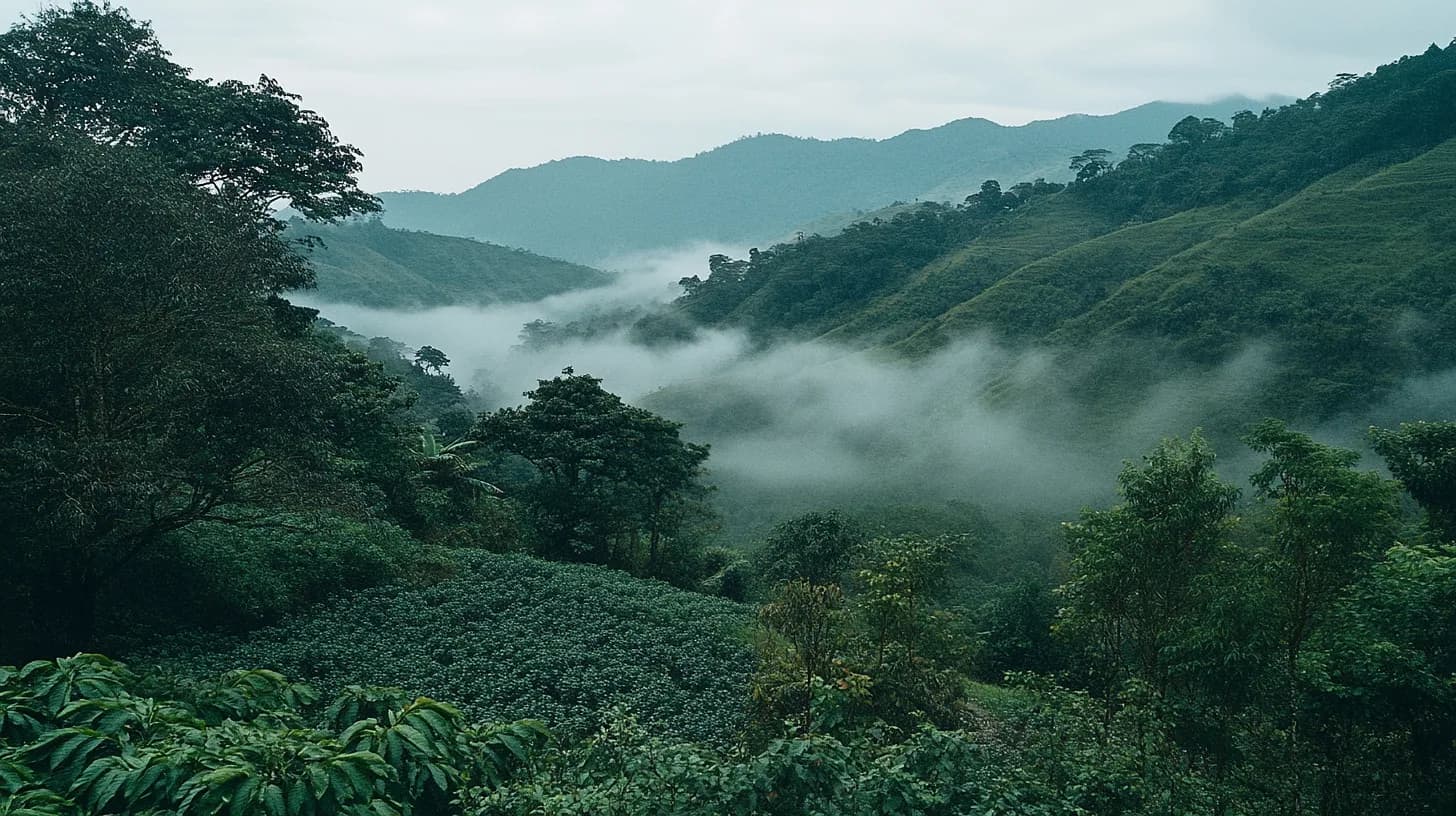
The parts of the estate that do not pay.
Eight hundred hectares of primary forest, a canopy over the coffee, a herd that fertilises it, and fifteen reservoirs fed by springs. None of it appears on an invoice. All of it is why the coffee is what it is.
The forest
Eight hundred hectares never cut, with biodiversity intact. In a country where this kind of cover recedes every year, a block this size held in single ownership is something that can no longer be created. We do not log it, and we have no plans to.
Shade over the coffee
Most parcels are under canopy. It costs yield and it buys slower ripening, water retention, soil that stays put on a slope, and habitat for the birds that control pests. It is the precondition for shade-grown certification, and we farm that way already.
The herd
Brahman crossed with Hereford, on extensive pasture that occupies ground the coffee cannot use. The manure goes back onto the coffee parcels. The cattle are also the reason a poor coffee year is not a poor year for the estate.
Water
Fifteen reservoirs fed by natural springs, regulated by the forest above them. Irrigation is by sprinkler and used to cover the dry months, not to force growth.
Compliance
European regulation now bars coffee grown on deforested land. An estate that conserves its forest and can trace every lot to a parcel does not have to work around that rule — it can lead with it.
The people
The estate is worked by lojanos, from the province. Picking is skilled work, and a picker who comes back every year is worth more to a cup score than any piece of equipment.
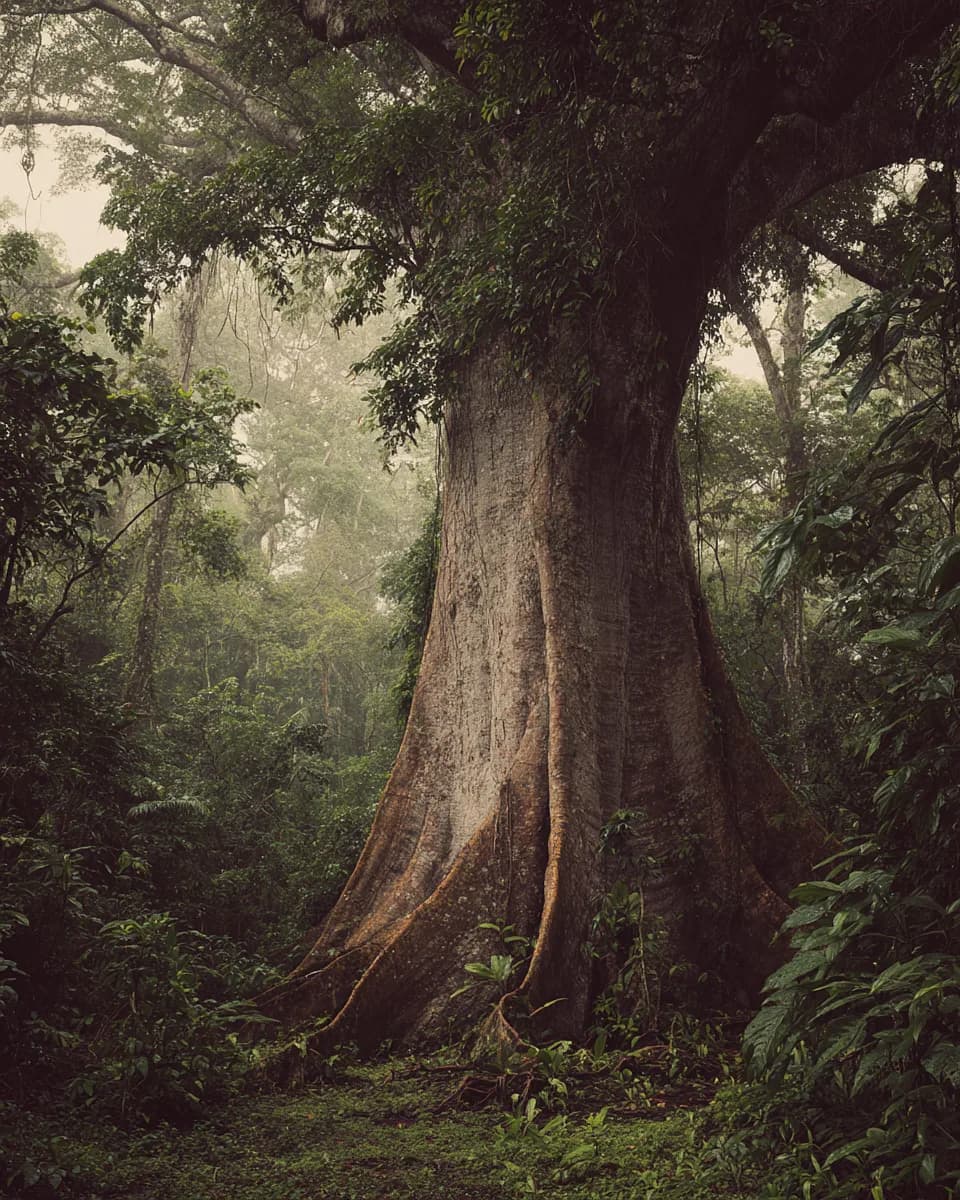
Eight hundred hectares that produce nothing, and that we are least willing to trade.
Put our coffee on your cupping table.
We work directly with importers, roasting companies and green buyers. Tell us what you are looking for and we will send samples ahead of the release.